

Navigating Cybersecurity Certification in Canada: A Guide for Aspiring Professionals
Introduction
As digital threats evolve, so does the demand for skilled cybersecurity professionals who can protect organizations from malicious activities. In Canada, the importance of certifications in cybersecurity has surged, with various programs designed to validate skills and knowledge in this critical field. This article outlines key certifications available in Canada, what they entail, and the opportunities they unlock for aspiring professionals.
Why Cybersecurity Certifications Matter
Certifications serve as a benchmark for expertise in cybersecurity. They not only establish a professional’s credibility but also enhance employability in a competitive job market. Employers often prefer or even require candidates to hold specific certifications, underscoring their importance.
Benefits of Certifications
- Enhanced Knowledge: Certifications often require an in-depth study of the latest cybersecurity practices and technologies.
- Industry Recognition: Holding a recognized certification enhances credibility in the eyes of potential employers.
- Networking Opportunities: Engaging with certification bodies can provide access to valuable networks, including job leads and mentorship opportunities.
- Higher Salary Potential: Certified professionals typically command higher salaries compared to their non-certified peers.
Popular Cybersecurity Certifications in Canada
Here’s a look at some of the most sought-after cybersecurity certifications relevant to the Canadian job market:
1. Certified Information Systems Security Professional (CISSP)
- Overview: The CISSP is widely regarded as one of the leading cybersecurity certifications globally. It covers a broad range of topics including risk management, security architecture, and compliance.
- Target Audience: Mid to senior-level professionals looking to advance their careers.
- Prerequisite: A minimum of five years of paid work experience in two or more of the eight CISSP domains.
2. Certified Information Security Manager (CISM)
- Overview: Focused on management and security governance, the CISM is designed for those who manage, design, and oversee an organization’s information security program.
- Target Audience: Individuals in managerial roles or aspiring to management within cybersecurity.
- Prerequisite: A minimum of five years in an information security management position.
3. Certified Ethical Hacker (CEH)
- Overview: This certification teaches candidates how to think and act like a hacker (knowledgeably and legally) to better protect systems.
- Target Audience: IT professionals looking to specialize in penetration testing and vulnerability assessments.
- Prerequisite: A basic understanding of networking and an introduction to ethical hacking.
4. CompTIA Security+
- Overview: This vendor-neutral certification is an excellent starting point for newcomers to the field of cybersecurity. It covers foundational skills required for any role in IT security.
- Target Audience: Entry-level cybersecurity professionals or those seeking to switch careers into cybersecurity.
- Prerequisite: While no formal prerequisites exist, CompTIA recommends having at least two years of experience in IT with a security focus.
5. AWS Certified Security – Specialty
- Overview: As cloud services become integral to organizations, this certification focuses on securing Amazon Web Services (AWS) environments, teaching best practices in data protection and architecture.
- Target Audience: Professionals working with AWS who want to specialize in cloud security.
- Prerequisite: AWS recommends having hands-on experience in AWS and at least two years of experience securing AWS workloads.
6. Certified Information Systems Auditor (CISA)
- Overview: This certification is aimed at professionals with a focus on auditing, control, and security of information systems.
- Target Audience: IT auditors, audit managers, consultants, and security professionals.
- Prerequisite: At least five years of professional work experience in information systems auditing.
The Landscape of Cybersecurity Job Postings in Canada
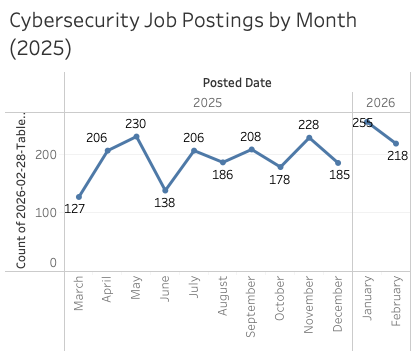
Recent analysis of cybersecurity job postings indicates a steady demand for certified professionals. Between March 2025 and February 2026, numerous job openings highlighted a need for certifications like CISSP, CISM, and CompTIA Security+. Employers are increasingly seeking candidates who not only possess theoretical knowledge but also recognized credentials that signify their ability to handle real-world challenges.
Key Statistics
- Job Demand: Analysts noted a rising number of postings seeking CISSP and CISM, highlighting their importance in security governance and risk management.
- Regional Insights: Provinces like Ontario and British Columbia showed the most job listings, emphasizing the need for professionals with cloud-specific certifications given the rapid growth of cloud-based services.
Preparing for Certification
Study Resources
- Online Courses: Many platforms offer specialized courses tailored to certification exam prep, including Udemy, Coursera, and Cybrary.
- Boot Camps: Intensive training sessions provide hands-on experience and can significantly boost preparedness.
- Practice Exams: Taking practice tests simulates the exam environment and helps identify areas needing improvement.
Building Experience
Participating in internships, co-ops, or volunteer programs can help budding professionals gain practical experience while networking within the industry.
Conclusion
Cybersecurity certifications serve as a vital stepping stone for both newcomers and seasoned professionals looking to advance their careers in Canada. With the growing reliance on technology and the expanding attack surface, obtaining a certification is highly advantageous, providing not only knowledge and credibility but also greater career opportunities. As the landscape of cybersecurity continues to evolve, staying current with certifications and trends will ensure that professionals remain competitive and valuable in the workforce.
For those ready to embark on this rewarding career path, the potential for growth and impact in the cybersecurity domain is greater than ever.
