

Enhancing Cybersecurity in Canada: A Focus on Certification Programs
As the digital landscape continues to evolve, so does the need for skilled cybersecurity professionals to safeguard sensitive information and infrastructure. In Canada, the introduction and expansion of cybersecurity certification programs are crucial steps towards building a more robust cybersecurity workforce while addressing the gender disparities highlighted in recent studies.
The Growing Demand for Cybersecurity Professionals
With increasing cyber threats and attacks across various sectors, including finance, healthcare, and government, the demand for cybersecurity experts in Canada has skyrocketed. According to the Canadian Cybersecurity Workforce Study, the industry is projected to add tens of thousands of roles in the coming years, underscoring the urgent need for a well-trained workforce.
Canadian Cybersecurity Certification Programs
Canadian institutions and organizations are stepping up to offer specialized cybersecurity certification programs. These initiatives aim to equip individuals with the necessary skills and knowledge to respond to cybersecurity challenges effectively. Notable programs include:
-
CISA (Certified Information Systems Auditor): Offered by ISACA, this certification validates the expertise of professionals in information systems audit, control, and security. It is highly regarded in the industry and especially important for individuals looking to advance in IT auditing and cybersecurity.
-
CISM (Certified Information Security Manager): Also provided by ISACA, this certification focuses on security management and strategy, preparing candidates for leadership roles in information security.
-
CompTIA Security+: This is a globally recognized certification that covers foundational cybersecurity skills and knowledge, particularly beneficial for individuals starting their cybersecurity careers.
- Cisco CyberOps Associate: A program that provides knowledge in security operations and incident response, making it a strong choice for those interested in network security.
Attracting Diverse Talent to Cybersecurity
To ensure a diverse and inclusive cybersecurity workforce, Canadian programs must also focus on attracting women and underrepresented groups into these fields.
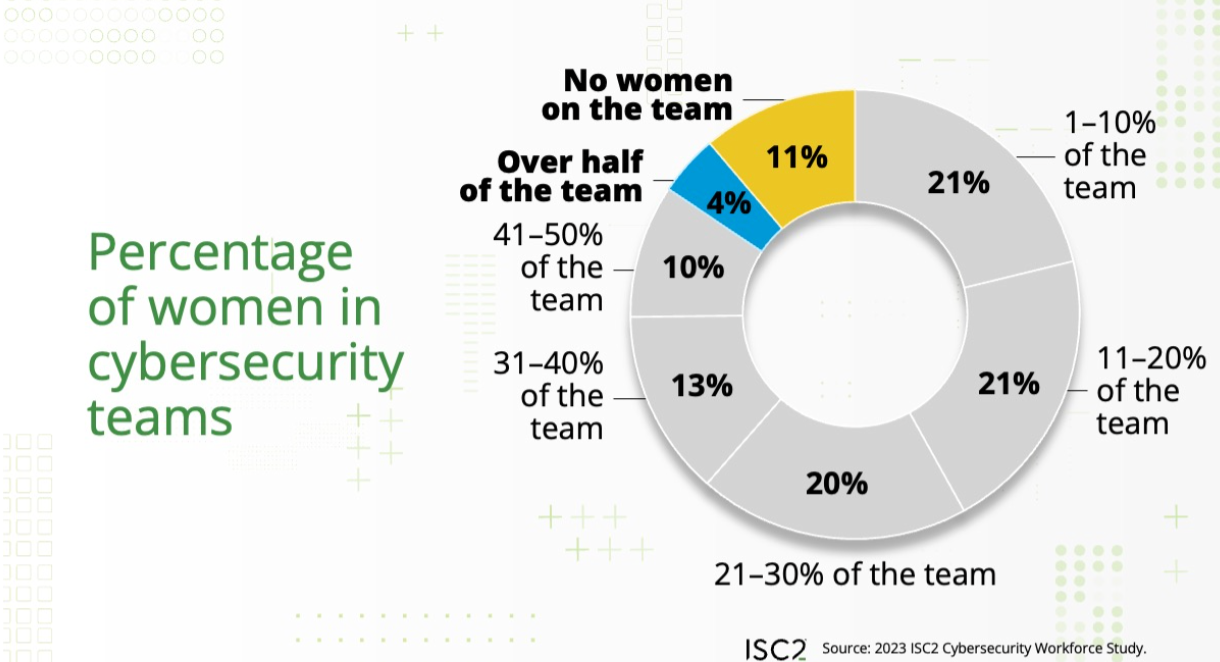
According to recent findings, only about 17% of the cybersecurity workforce comprises women, signaling a need for targeted initiatives. Canadian universities and colleges can promote awareness about cybersecurity careers among young women through workshops, mentorship programs, and partnerships with organizations like Women in Cybersecurity (WiCyS).
Furthermore, companies can create supportive environments by implementing policies that promote diversity and inclusion, as well as addressing discrepancies in pay and opportunities between genders within the industry.
The Role of Industry Collaborations
Collaboration between academia, industry, and government can drive the development of effective cybersecurity certification programs and training initiatives. By aligning educational offerings with real-world industry needs, stakeholders can create robust paths for aspiring cybersecurity professionals.
For example, government initiatives aimed at funding cybersecurity education and training programs can aid in bridging the skills gap. Public-private partnerships can also facilitate internships and job placements, providing hands-on experience that is vital for entering the workforce.
Conclusion
As Canada confronts the challenges of an increasingly complex cybersecurity landscape, certification programs will be critical in cultivating a skilled, diverse workforce. Addressing the gender disparities and fostering an inclusive environment within the cybersecurity field can lead to innovative solutions and a stronger defense against cyber threats. By investing in education, training, and a collaborative approach, Canada can not only meet its cybersecurity needs but also inspire the next generation of cybersecurity leaders.
